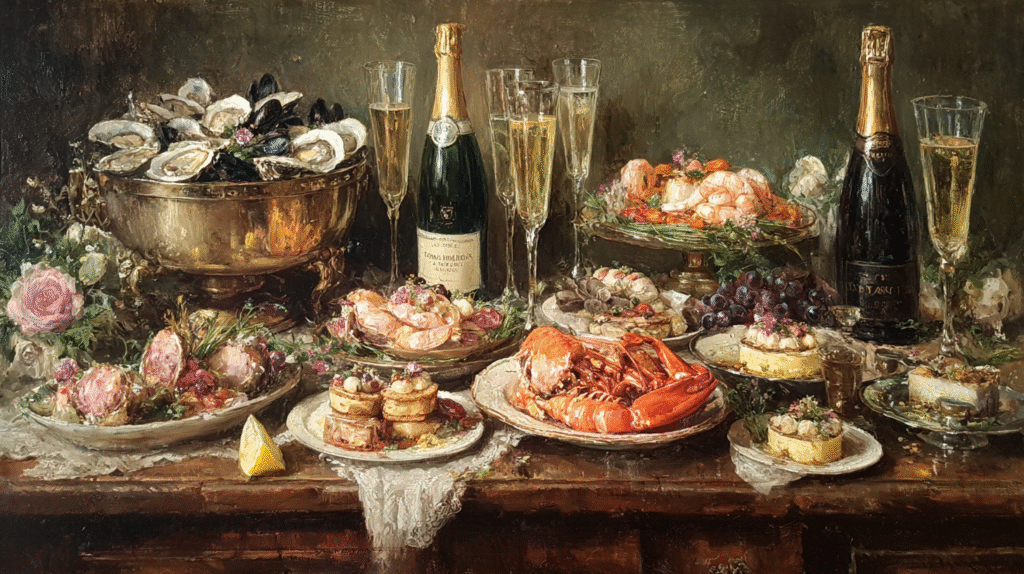
Champagne holds a singular place in the world of wine. While many regions produce sparkling wines, none match the combination of history, terroir, and craftsmanship that define this iconic French region. Its cool climate, chalk-rich soils, and generations of technical refinement have shaped a style prized for its finesse, precision, and longevity. Whether made from Chardonnay, Pinot Noir, or Meunier, Champagne balances freshness with complexity in a way that has set the global standard for sparkling wine.
Beyond its celebratory reputation, Champagne is a wine of remarkable depth and diversity. From mineral-driven Blanc de Blancs to structured Blanc de Noirs and richly layered vintage cuvées, each style reflects nuanced choices in grape selection, blending, aging, and winemaking philosophy. This article explores the essential elements that define Champagne, including its regions, methods, sensory profile, and ideal pairings, offering a clear guide to understanding what makes it one of the world’s most enduring and expressive wines.
Champagne
A comprehensive analysis of history, terroir, production, styles, flavor profile, and food pairings
1. Historical Overview
Champagne’s identity is rooted in centuries of winemaking in northeastern France, where a cool climate and chalk-based soils created conditions dramatically different from the rest of the country. Although still wines were made here long before sparkling production began, the natural effervescence caused by cold winters and spontaneous spring fermentation led to the development of méthode traditionnelle. By the 18th century, houses such as Ruinart, Moët & Chandon, and Veuve Clicquot refined the techniques that came to define Champagne’s global prestige.
Over time, Champagne evolved into a symbol of celebration and craftsmanship, relying on meticulous blending, long aging, and strict production rules. The region’s combination of history, terroir, and technical precision continues to set the benchmark for sparkling wines worldwide.
2. Viticultural Notes
Grape Varieties
- Chardonnay: brings finesse, acidity, citrus, and floral lift
- Pinot Noir: adds structure, red fruit depth, and backbone
- Meunier: contributes softness, fruitiness, and approachability
Viticultural Practices
- Cool climate with challenging ripening conditions
- Strict yield controls to maintain quality
- Hand-harvesting mandated by regional regulations
- Chalk soils help regulate moisture and temperature
- High acidity preserved through early harvest and careful canopy management
3. Regional & Terroir Mapping
Montagne de Reims
Known for Pinot Noir dominance. Chalk and clay soils create structured wines with red fruit, intensity, and longevity.
Côte des Blancs
Chardonnay-focused. Pure chalk produces linear, mineral, citrus-driven wines with exceptional aging potential.
Vallée de la Marne
Meunier thrives here. Clay-limestone soils create round, fruit-forward, and early-drinking styles.
Côte de Sézanne
Warmer than Côte des Blancs. Chardonnay with softer fruit, floral notes, and balanced acidity.
Aube (Côte des Bar)
Pinot Noir-dominant region closer to Chablis. Kimmeridgian soils yield expressive, generous, and aromatic wines.
4. Top Producers
Grand Maisons (Major Champagne Houses)
- Moët & Chandon
- Veuve Clicquot
- Ruinart
- Bollinger
- Krug
- Louis Roederer
- Perrier-Jouët
- Pol Roger
- Taittinger
- Laurent-Perrier
Grower-Producers
- Selosse
- Egly-Ouriet
- Ulysse Collin
- Vilmart & Cie
- Bérêche & Fils
- Pierre Péters
- Jacques Selosse
- Gaston Chiquet
- R. Pouillon
- Georges Laval
5. Production Method (Méthode Traditionnelle)
- Primary fermentation: still base wine made from early-harvested grapes
- Blending: multiple varieties, parcels, and vintages often combined
- Tirage: addition of sugar and yeast before bottling
- Secondary fermentation: bubbles formed naturally in bottle
- Lees aging: minimum 15 months for NV, 36 months for Vintage; many houses age far longer
- Riddling and disgorgement: removal of yeast sediment
- Dosage: small amount of sugar added to determine style (Brut, Extra Brut, etc.)
6. Style Categories
Brut NV (Non-Vintage)
Most common style; balanced, versatile, citrus, apple, toast, and mineral notes.
Vintage Champagne
Made only in excellent years; richer, deeper, and often age-worthy.
Blanc de Blancs (100% Chardonnay)
Elegant, mineral, racy; citrus, chalk, white flowers.
Blanc de Noirs (Pinot Noir and/or Meunier)
Broader, textural, red-fruit-driven with ample depth.
Rosé Champagne
Combines freshness with strawberry, raspberry, and floral tones.
Prestige Cuvée
Flagship bottlings (e.g., Dom Pérignon, Cristal, La Grande Dame) that showcase the region’s highest craftsmanship.
7. Flavor Profile Analysis
ABV
Typically 12 to 12.5 percent.
Acidity
High, contributing to freshness and longevity.
Residual Sugar
Varies with dosage: Brut, Extra Brut, Demi-Sec, etc., but most quality Champagne remains dry.
Nose
- Citrus, green apple, and pear
- White flowers, chalk, crushed stone
- Pastry, brioche, almond, and toast from lees aging
- Red fruit tones in blends with Pinot Noir
Palate
- Crisp acidity and fine bubbles
- Balance of citrus, orchard fruit, mineral depth
- Hints of toast, hazelnut, or cream with age
- Structured styles from Pinot, refined styles from Chardonnay
Finish
Long, refreshing, mineral, often carrying subtle autolytic (yeast-derived) complexity.
8. Food Pairing Recommendations
Charcuterie
- Triple-cream cheeses, aged Gouda, and soft-rind cheeses
- Cured meats such as prosciutto or jambon de Bayonne
- Nuts, especially almonds and hazelnuts
- Accents: lemon zest spreads, fig jam, and mild honey
Appetizers
- Oysters and shellfish
- Smoked salmon
- Blini with crème fraîche
- Goat cheese tartlets
Entrées
Seafood
- Seared scallops
- Poached lobster
- Sole or halibut with light sauces
Poultry
- Roast chicken with lemon and herbs
- Turkey with citrus glaze
Vegetarian & Vegan
- Risotto with mushrooms or lemon
- Roasted cauliflower steaks
- Seasonal vegetable medleys
Side Dishes
- Herbed potatoes
- Green salads with citrus vinaigrette
- Grilled asparagus
- Light pasta dishes with butter or cream
9. Serving & Storage Recommendations
- Temperature: 46 to 50°F (8 to 10°C) for NV; 50 to 54°F (10 to 12°C) for Vintage and Prestige Cuvée
- Glassware: Tulip-shaped flute or white wine glass for aromatic development
- Decanting: Rare, but can benefit older vintage Champagne for aromatics
- Cellaring: NV typically 3 to 5 years; Vintage 10 to 20+ years depending on producer
10. Market Position & Pricing
Champagne spans a wide range of price points, from accessible non-vintage bottlings to luxury cuvées commanding some of the highest prices in the sparkling wine category. Limited production area, strict regulations, and long aging requirements contribute to its premium positioning worldwide.
11. Winemaking Philosophy & House Style
Larger houses often emphasize consistency through blending across vintages, while grower-producers highlight single-vineyard expression and terroir nuance. Winemaking decisions about base wine fermentation, malolactic conversion, oak usage, and aging length all influence a house’s signature style.
12. Sustainability & Ethical Practices
Many Champagne producers have adopted sustainable, organic, or biodynamic methods, particularly as climate change challenges traditional viticulture. Efforts include soil regeneration, reduced herbicide use, increased biodiversity, and energy-efficient production.