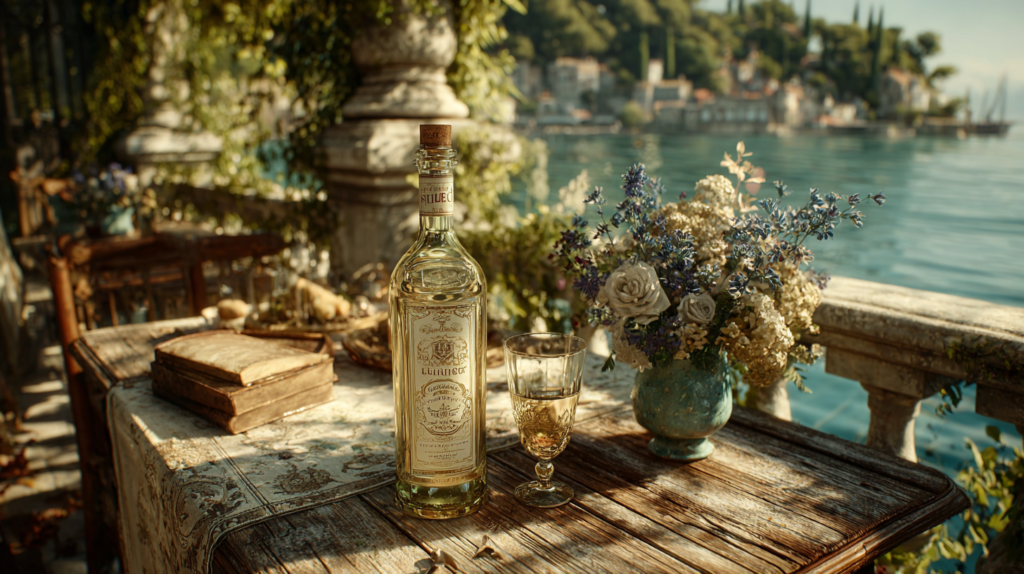
Lillet Blanc is a quintessential French aperitif celebrated for its luminous citrus character, refined sweetness, and effortless elegance. Originating from the winemaking traditions of Bordeaux and shaped by over a century of craftsmanship, it occupies a unique place between wine and spirit—versatile enough for brunches, summer gatherings, sophisticated cocktail hours, and classic pre-dinner aperitifs. Its balance of Sémillon-based richness, vibrant aromatics, and gentle herbal notes makes it both approachable for newcomers and deeply expressive for seasoned enthusiasts. Whether served chilled on its own or as the backbone of iconic cocktails, Lillet Blanc continues to define the art of refreshing, modern aperitif drinking.
Lillet Blanc
A global overview of history, terroir, viticulture, sensory identity, and regional expressions
Lillet Blanc is a quintessential French aperitif celebrated for its luminous citrus character, refined sweetness, and effortless elegance. Originating from the winemaking traditions of Bordeaux and shaped by over a century of craftsmanship, it occupies a unique place between wine and spirit—versatile enough for brunches, summer gatherings, sophisticated cocktail hours, and classic pre-dinner aperitifs. Its balance of Sémillon-based richness, vibrant aromatics, and gentle herbal notes makes it both approachable for newcomers and deeply expressive for seasoned enthusiasts. Whether served chilled on its own or as the backbone of iconic cocktails, Lillet Blanc continues to define the art of refreshing, modern aperitif drinking.
1. History & Origin
Lillet Blanc is a French aromatized wine aperitif first produced in 1872 in Podensac, south of Bordeaux. It evolved from the earlier Kina Lillet, which contained more quinine and showed greater bitterness. In the late 20th century, Lillet modernized the formula, reducing the quinine and creating a fresher, fruit-forward aperitif more aligned with contemporary palates.
The profile reflects Bordeaux’s traditional blending culture and the region’s historical access to citrus and exotic goods through maritime trade.
2. Viticultural & Production Notes
Unlike single-varietal wines, Lillet Blanc is an aromatized, wine-based aperitif crafted by blending fortified white wine with citrus and botanical infusions.
Base Wines
- Primarily Sémillon
- Smaller amounts of Sauvignon Blanc
- Occasionally Muscadelle
Sémillon contributes roundness and a honeyed texture; Sauvignon Blanc brings freshness and lift; Muscadelle adds floral nuances.
Key Production Steps
- Harvest & Fermentation: Grapes are fermented into still Bordeaux white wines.
- Aromatization: Citrus peels (sweet and bitter orange), along with herbs and select botanicals, are macerated in wine or neutral spirit.
- Fortification: Neutral spirit is added to increase alcohol content, stabilize the aperitif, and preserve aromatics.
- Barrel Resting: The aromatized and fortified wine is aged in French oak to integrate flavor, soften edges, and add subtle vanilla and spice notes.
- Blending: Final cuvées are blended for consistency of flavor, sweetness, and aromatic profile.
Distinctive Qualities from Production
- Bright citrus aromatics from orange peel maceration.
- Soft, honeyed texture from Sémillon.
- Moderate sweetness balanced by refreshing acidity and gentle bitterness.
- Reduced quinine content vs. historical Kina Lillet, resulting in a softer, less bitter profile.
3. Regional & Terroir Identity
While the base wines are sourced from Bordeaux, Lillet Blanc is not terroir-driven in the classic, single-vineyard sense. Nonetheless, regional influences matter:
- Climate: Bordeaux’s maritime climate supports fresh, balanced white wines with moderate alcohol and good acidity.
- Soils: Gravel and clay-limestone soils in the region favor Sémillon’s textural richness and aromatic expression.
- Tradition: Bordeaux’s historical trading connections facilitated access to citrus and spices, encouraging the development of aromatized wines and aperitifs.
4. Top Producers / Comparable Styles
Lillet Blanc is unique, but several producers offer similar wine-based aperitifs or bianco vermouths that can occupy a comparable role:
- Maison Lillet – Lillet Blanc (benchmark aperitif)
- Dolin – Chambéry Vermouth Blanc
- Carpano – Bianco Vermouth
- Cocchi – Americano Bianco (closest analogue to old Kina Lillet)
- Martini & Rossi – Bianco Vermouth
- Contratto – Bianco Vermouth
- Vya – Whisper Dry Vermouth
- Lo-Fi – Dry Vermouth (California)
- Routin – Blanc Vermouth
- Quady – Vya Sweet White Vermouth
5. Flavor Profile Analysis
ABV
Approximately 17% ABV, typical for a fortified aperitif.
Acidity
Moderate to high acidity, which provides lift and freshness and prevents the sweetness from feeling cloying.
Residual Sugar
Moderate residual sugar (roughly 80–90 g/L), balanced by citrus, botanicals, and gentle bitterness.
Tannins
No tannins to speak of, as the base is white wine and tannic botanicals are not a focus of the blend.
Nose (Aromas)
- Citrus: orange blossom, candied lemon, grapefruit zest
- Floral: honeysuckle, acacia flowers
- Herbal: subtle quinine echo, white tea
- Fruit: peach, apricot, green apple
- Sweet notes: honey, light vanilla
Palate
- Silky, lightly viscous mouthfeel
- Sweet citrus and stone fruit with floral overtones
- Fresh acidity from the Sauvignon Blanc component
- Delicate herbal and gently bitter notes at the edges
Finish
Medium to long finish with lingering citrus peel, white flowers, and a soft honey–vanilla impression.
6. Food Pairing Recommendations
A. Charcuterie
Cheeses (best matches first):
- Fresh goat cheese (excellent match for acidity and citrus)
- Triple-cream cheeses (Brillat-Savarin, Délice de Bourgogne)
- Aged gouda
- Mild cheddar
- Havarti with dill
Cured Meats:
- Prosciutto
- Jamón Serrano
- Mortadella
- Light turkey salami
Nuts:
- Marcona almonds (ideal with aperitifs)
- Pistachios
- Candied pecans
Pepper/Accent Elements:
- Mild pepper jellies
- Crackers dusted with pink peppercorn
B. Appetizers
- Smoked salmon blinis with crème fraîche
- Citrus-marinated olives
- Shrimp cocktail with light citrus sauce
- Goat cheese tartlets
- Mild, citrus-forward ceviche
- Melon and prosciutto skewers
- Endive cups with walnut and pear
C. Entrées
Seafood (Top Category)
- Seared scallops with lemon–butter sauce
- Poached lobster with citrus aioli
- Sole meunière
- Salmon niçoise
- Grilled prawns with herbs and olive oil
Poultry
- Lemon-herb roast chicken
- Duck breast with apricot or citrus glaze
Vegetarian
- Asparagus risotto
- Lemon ricotta ravioli
- Quiche Lorraine or spinach quiche
Vegan
- Citrus–ginger marinated tofu
- Herbed polenta with grilled seasonal vegetables
- Chickpea and lemon tagine
D. Side Dishes
- Herbed couscous
- Buttered new potatoes
- Citrus and fennel salad
- Roasted zucchini with thyme
- Lightly dressed arugula salad
- Basmati rice scented with lemon zest
7. Contextual Comparison
- Versus Cocchi Americano: Lillet Blanc is less bitter, more floral, and softer on the palate; Cocchi Americano is closer to the historic Kina Lillet style.
- Versus Vermouth Bianco: Lillet is typically less herbal and spice-driven, with a more fruit-forward and citrus-led profile.
- Versus Sauternes or sweet wines: Lillet is lighter in body, more citrus-focused, and much more cocktail-friendly and refreshing.
8. Serving & Storage Recommendations
Temperature
- Optimal serving: 42–46°F (5–8°C)
- In cocktails: often served even colder, around 38°F (3°C)
Glassware
- Small white wine glass (classic aperitif service)
- Nick & Nora glass or coupe for cocktails
Decanting
Decanting is not necessary; aromatized wines are blended and fortified to be served directly from the bottle with simple chilling.
Optimal Drinking Window
Best consumed young, typically within 1–2 years of bottling, to preserve fresh citrus and floral aromatics.
After Opening
- Refrigerate after opening.
- Ideal consumption window: within 1–2 months.
- Most vibrant in the first 3–4 weeks after opening.
Cellaring Potential
Lillet Blanc is not intended for long-term cellaring; prolonged aging will gradually diminish its aromatic freshness.
9. Label Interpretation
- “Apéritif à base de vin”: Indicates a wine-based aperitif rather than a standard table wine.
- “Maison Lillet – Podensac”: References the producer and origin in the Bordeaux region.
- ABV (around 17%): Confirms its status as a fortified aperitif.
- Non-vintage: Lillet Blanc is a blend across years for style consistency, so no vintage is stated.
10. Awards, Ratings & Recent Commentary
While Lillet Blanc is not typically scored like fine still wines, it receives regular praise in cocktail and aperitif-focused publications and by professional bartenders for its balance, versatility, and elegance.
It is frequently recommended as a key ingredient in classic and modern cocktails, including:
- Vesper
- Corpse Reviver #2
- Lillet Spritz
- French Blonde
11. Market Position & Pricing
- Approximate price range: 20–25 USD per 750 ml bottle (varies by market).
- Category: Accessible premium aperitif.
- Value: Considered excellent value for its quality and versatility, widely used in both home and professional bar programs.
12. Winemaking Philosophy & House Style
Maison Lillet focuses on crafting an aperitif that emphasizes:
- Purity and clarity of fruit character
- Balanced sweetness and acidity
- Gentle, integrated bitterness rather than aggressive quinine
- Respect for Bordeaux winemaking traditions with a modern, approachable style
- Consistency through careful blending across lots and vintages
Compared to many vermouths, Lillet’s house style is less intensely herbal and spice-driven, leaning instead into citrus, florals, and elegant texture.
13. Sustainability & Ethical Practices
Although not generally marketed as fully organic or biodynamic, Lillet works with Bordeaux growers who employ sustainable viticulture practices, gradually reducing chemical inputs and focusing on vineyard health.
At the production facility level, practices typically include attention to resource management, such as efficient water usage and recycling or waste minimization, in line with modern standards for responsible beverage production.